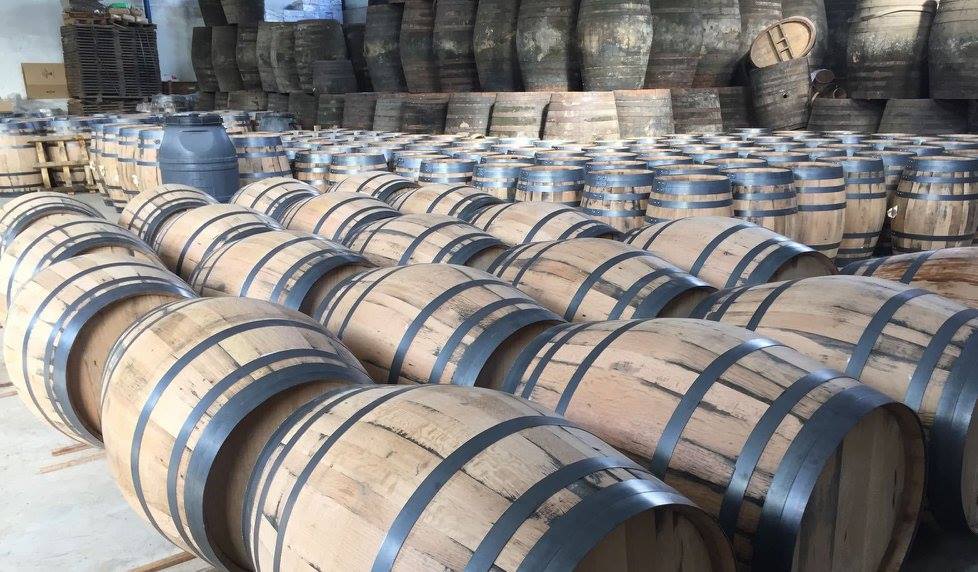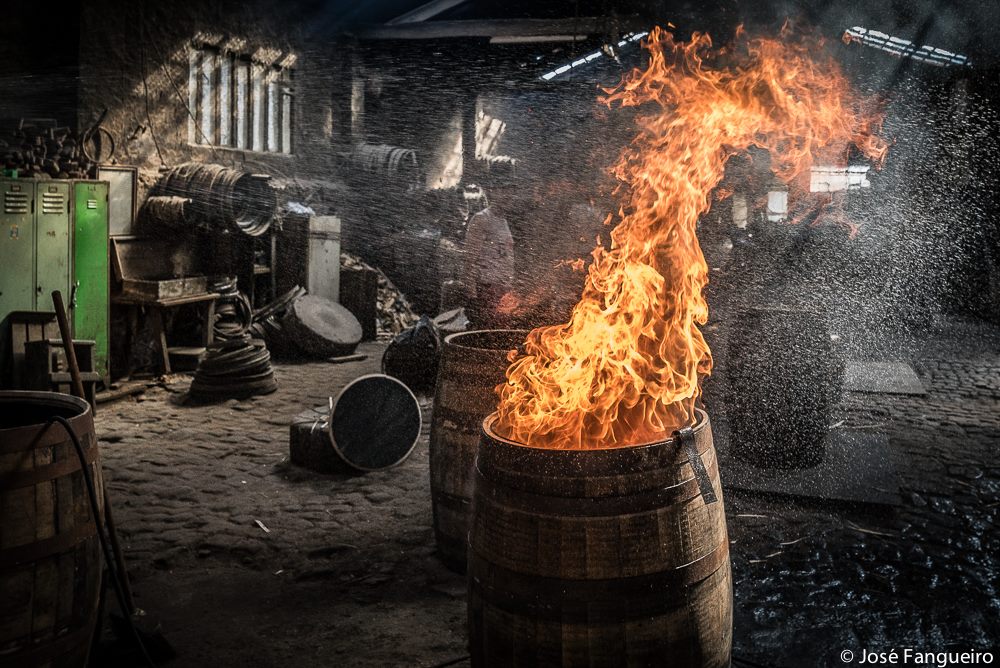
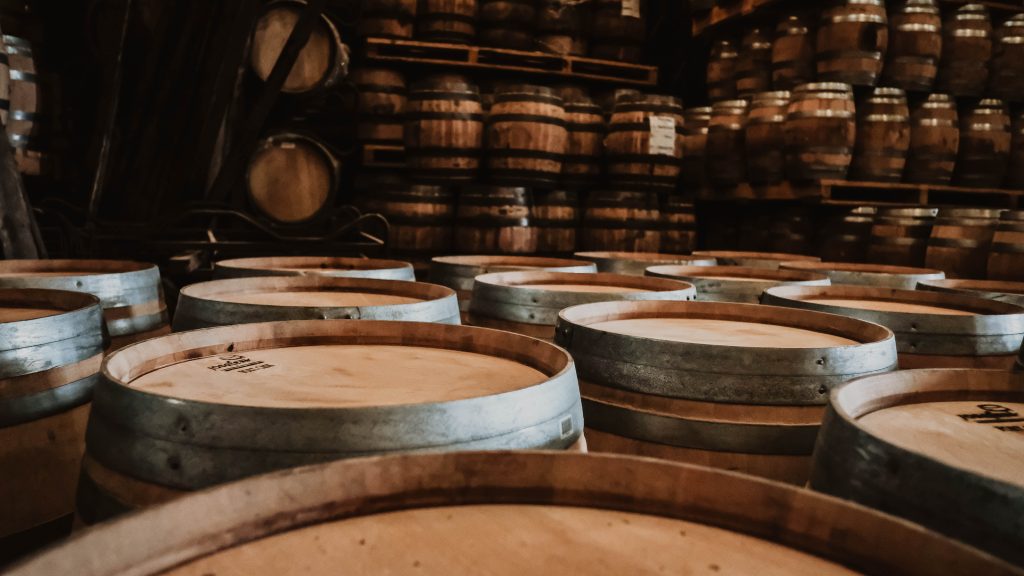
STR stands for Shaved, Toasted, and Recharred, a process developed by the late Jim Swan (who we had the privilege of working with at our cooperage. The process involves taking used red wine casks and rejuvenating for refilling, creating a low-cost alternative to new barrels together with a unique flavour profile.
The rejuvenation of casks is by no means a new practice. Recharring has long been used on bourbon barrels, hogsheads, and some sherry casks, primarily as a means of extending the useful life of the wood. Recharring will burn off the inner layer of the barrel and expose some fresh oak beneath, giving distillers an opportunity to reuse a barrel whilst preserving more of the flavours generated by the oak.
Dr. Jim Swan is generally credited with introducing a significant innovation: the use of ex-red wine barrels that had been shaved, toasted and recharred. We had the privelege of welcoming Jim Swan to our cooperage when we worked with him directly on developing the STR method and we have remained faithful to his principles ever since. That is the staves have a couple of millimeters shaved off from the inside of the barrel to expose fresh oak and then the barrels are toasted and charred as you would a new barrel. Importantly the shaving process has to be carried out along the grain of the wood, rather than across the grain (shaving across the grain is much easier and cheaper to do because you can spin the barrel against the plane to do it, but this is really rough on the wood and causes unevenness and blistering. If you are sourcing STR barrels, be sure to ascertain how the shaving process is carried out).
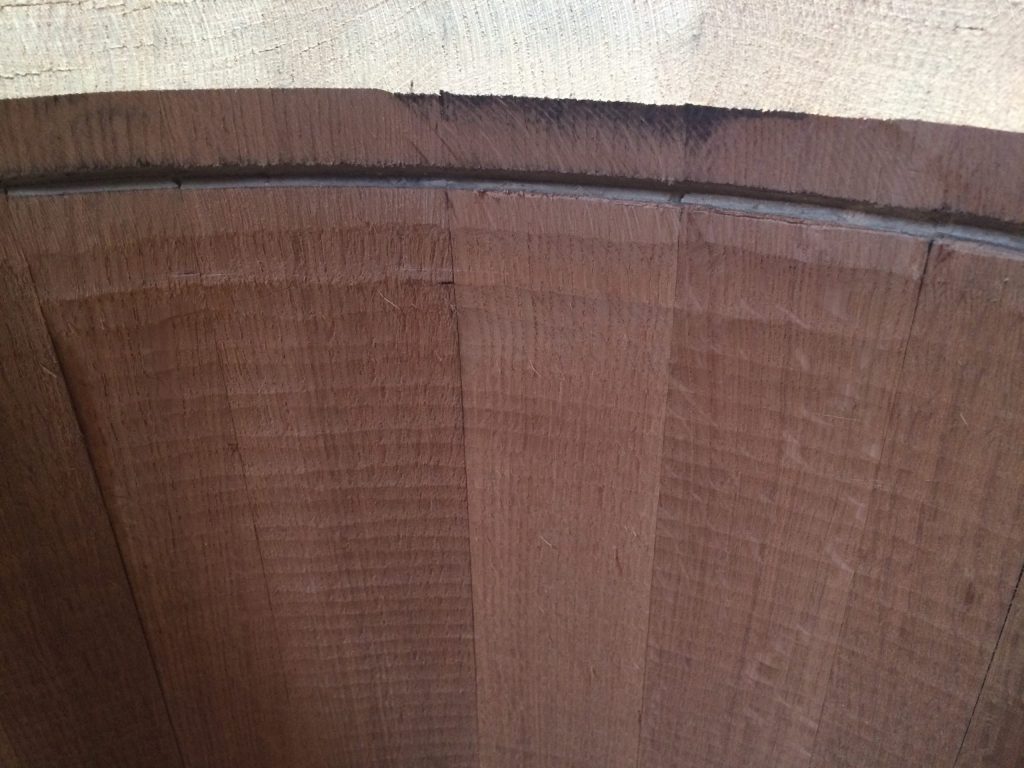
The resulting STR casks produce a flavour profile that is different from those previously available: neither overpowering like you might get from virgin oak, nor understated like you can get from refilled whisky barrels. This middle ground can help to give younger whiskies characteristics typically associated with greater maturity.
Sherry, madeira and port casks that many of the northern European distillers require have become increasingly expensive as supply struggles to match demand and many distillers are looking for a different flavour profile than from standard ex-bourbon barrels. This is where STR barrels have helped to fill a niche in the market.
Understanding STR Casks and Their Influence on Flavour
Given their growing popularity, it is worth examining how STR casks affect whisky maturation and flavour development. Traditional cask recharring of whisky barrels brings back classic oak-derived flavours such as caramel, toffee and vanilla, although these characteristics are less intense than those produced by virgin oak. Oak lactones, for example, appear not to be restored through recharring, resulting in reduced levels of coconut and spicy oak notes. Recharred casks will also contain lower concentrations of tannins compared with virgin oak.
Using the STR process on red wine barrels produces very different results than from used whisky barrels, not least because the STR process penetrates only 2mm into the wood, leaving some wine-derived compounds intact and accessible to the maturing spirit. The STR process does not leave enough wine in the wood to redden the whisky or to leave obvious wine derived flavours such as red fruit. Instead, whiskies matured in STR casks tend to have obvious oak influence and more of a bronze colour more reminiscent of bourbon maturation. Because the STR process removes so much of the wine influence, the specific kind of wine that was originally matured in the barrel is not such an important consideration.
Furthermore, when you buy STR barrels from us, you can specify the char level that you require and this will of course have a powerful impact on the flavour profile that the barrels will give.